×
Intern Expectations
General Expectations

Interns are expected to accomplish the aims, objectives, and learning elements of the internship program. Interns are also expected to abide by the requirements of the OSH-PIP training program, the policies and procedures of Oregon State Hospital, and the APA Code of Ethics.
Additionally, OSH-PIP has a comprehensive due process procedure which outlines the processes for addressing concerns about intern performance as well as interns’ concerns about training. Related procedures and protocols are provided in hard copy to all interns during orientation via the OSH-PIP Handbook.
Supervision, Didactics, and Additional Training Activities
Supervision
Interns receive a minimum of 4 hours per week of supervision. Interns receive 1.5 hours with their major rotation supervisor, 1 hour per week with their minor rotation supervisor, and between .5 and 1 hour with the Training Director. Interns will also receive 1 hour of weekly group supervision.
Co-Supervision of Practicum Students
Interns are also involved in the group supervision of several practicum students working toward their doctoral degrees (PhD/PsyD) in clinical psychology. These students are in the third or fourth year of doctoral training. Starting the third week in September, each intern completes about a three-month rotation co-facilitating practicum group supervision with an OSH licensed psychologist. Interns also receive supervision of supervision and training in the Integrative Developmental Model (IDM) of supervision.
Didactic Training
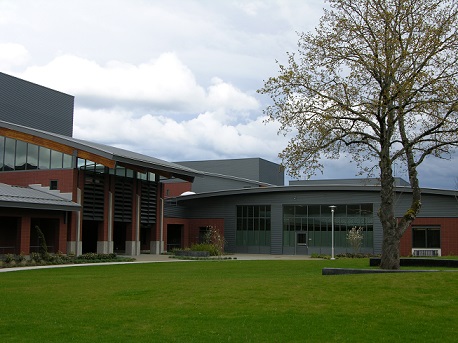
Interns participate in weekly didactics presented by members of the Internship Training Committee and guest speakers. Didactics are designed to build upon prior academic preparation and clinical training and to complement interns’ experiential clinical training based on the aims, profession-wide competencies, and learning elements of the training program. Didactics prepare interns to face a wide variety of clinical and professional circumstances they are likely to encounter throughout their careers.
Current didactic topics include Cognitive Behavioral Therapy for Psychosis I and II, Finding a Postdoc, Recovery-Oriented Care, Declarations of Mental Health Treatment (Psychiatric Advanced Directives), Extreme Emotional Distress, Sexual Offending Evaluations, Positive Behavior Support Plans, LGBTQ+ Affirming Treatment, Trans Health and Wellness, Sovereign Citizens, Methamphetamine Use and Serious Mental Illness.
Forensic Evaluation Services (FES) Didactics
Interns participate in a year-long didactic curriculum during the Forensic Evaluation Services (FES) rotation designed to strengthen knowledge and skills in forensic psychology. Participation in this didactic series is required for any interns choosing the FES major or minor rotation. Didactics build upon prior academic and clinical training while complementing interns’ supervised forensic evaluation experiences. Topics include competency to stand trial, criminal responsibility, forensic interviewing, psychological assessment, report writing, expert testimony, ethics, professionalism, cultural humility, cognitive bias, risk assessment, and relevant federal and Oregon case law. The curriculum integrates legal scholarship, psychological science, and experiential learning through case discussions, report reviews, and Mock Trial activities, allowing interns to apply new knowledge directly to court-ordered evaluations. This comprehensive training prepares interns to conduct high-quality forensic evaluations and provide ethical, effective forensic services in legal settings.
Mock Trial
Interns who choose an FES major or minor rotation during the intern year participate in a comprehensive Mock Trial experience designed to develop competence and confidence in providing forensic expert testimony. Using one of their first-authored, de-identified court-ordered forensic evaluations, interns engage in didactic seminars, review landmark legal cases and recorded testimony, and participate in practice sessions with peers, supervisors, and an experienced Oregon Public Defender. Interns receive individualized preparation for direct and cross-examination before participating in a realistic mock trial conducted by practicing public defenders. Following the exercise, interns receive individualized feedback from supervising psychologists and attorneys on their report writing, testimony, and courtroom presentation, and participate in a collaborative debrief that promotes interdisciplinary learning and collaboration. This immersive training prepares interns to provide effective forensic testimony in clinical and legal settings.
Case Presentations
Interns complete two (2) 90-minute case presentations to the Internship Training Committee throughout the training year, presenting one assessment case and one therapy case. Interns should aim to have their presentation completed within 60 minutes leaving 30 minutes for discussion of their consultation questions for a total of 90 minutes. Feedback is given to interns via the Case Presentation Form, which is completed by those in attendance, including fellow interns, and submitted to the Training Director. Intern will have the opportunity to address any identified areas of growth. Interns receive training in case formulation and case presentations prior to presenting.
Humility and Responsivity in Clinical Practice Group (HRCPG)
Interns will participate in a 1-hour Humility and Responsivity in Clinical Practice Group (HRCPG) facilitated by internship faculty twice per month. The HRCPG’s goal is to empower interns to acknowledge, contextualize, and integrate the impact of both their own and patients’ identities into their professional approach. The group actively encourages self-reflection and introspection related to various facets of identity and clinically responsive practice. Opportunities for cultural acknowledgement and application of various relevant theories will be emphasized throughout the process. Interns will be invited to share topics they wish to explore further, facilitating a personally tailored and enriching learning experience. The expectations for participation are centered on the intern’s capacity for self-reflection; engagement in experiential and didactic exercises involving various diversity-related conceptualizations; maintaining respect for each other in accordance with professional guidelines, program protocols, and OSH and OHA policies.
Quarterly Research Meeting
Interns participate in a quarterly meeting with the ITC to discuss a culturally informed research study/article and examine its research foundations. One intern will present per quarter. The presenting intern will distribute the article to the ITC and their peers at least one week in advance. A formal presentation rating form will not be completed.
Other Training Opportunities
Program Evaluation/Research
Opportunities to engage in program evaluation or a research project in a state hospital setting are available through OSH and the OSH Psychology Department. Psychologists in state hospitals provide many services, including conducting program evaluation and research, to improve the services that are offered in these settings and contribute to knowledge that benefits society. If you are interested in participating in research opportunities at OSH, contact your assigned Training Director supervisor for more information.
Trainings/Conferences
Interns can attend weekly Psychiatry Grand Rounds, weekly psychiatry Journal Club meetings, and other trainings provided by OSH. Additionally, interns receive 40 hours of educational leave during their internship year to attend local and national conferences (e.g., American Psychological Association, American Psychology – Law Society, etc.).